Piorun
Well-known member
November 28, 2025
Poland has just begun the construction of Europe’s leading orbital reconnaissance network
Today, a Falcon 9 launch vehicle performing Transporter-15 mission took off from Space Launch Complex 4E in Vandenberg Space Force Base (California, United States) with four military satellites of the Armed Forces of the Republic of Poland on board.
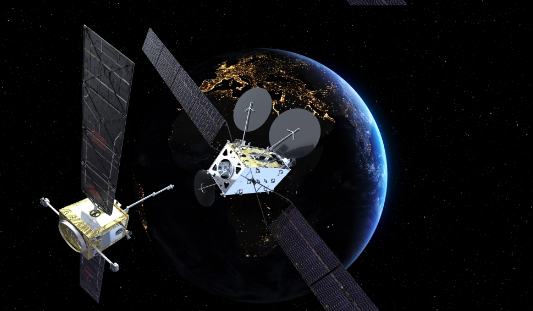
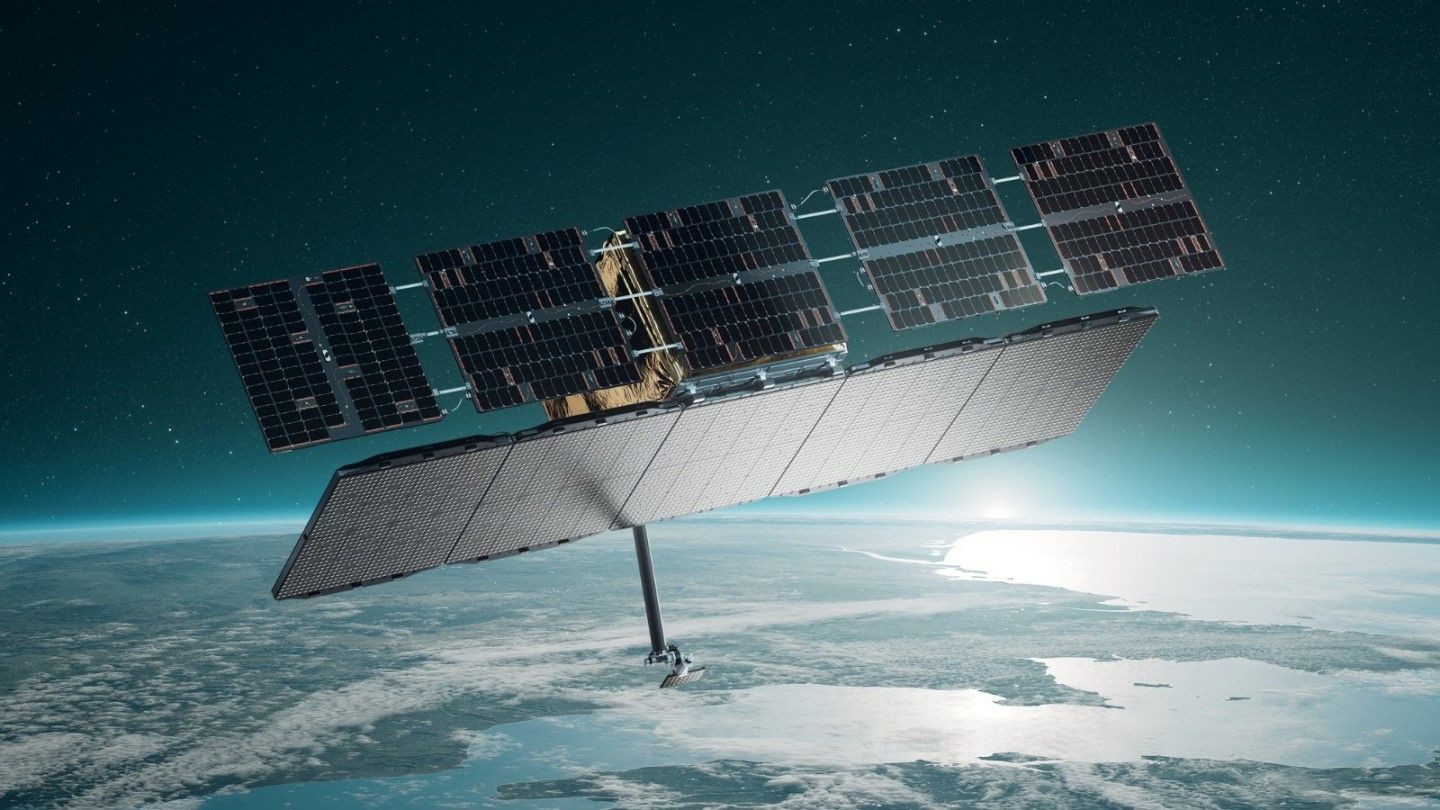
One of the satellites is the ICEYE MicroSAR radar reconnaissance satellite — the first of a larger constellation — which enables radar monitoring of the Earth's surface regardless of weather conditions or time of day. The system will enable continuous monitoring of areas of interest, such as military, transport, and energy infrastructure, the Baltic Sea, and national borders, and in the event of war, it will enable reconnaissance and tracking of enemy troop movements, detection of hidden equipment, and assessment of damage. The launch of the satellite is the result of an agreement signed in May this year between the Ministry of National Defense and the consortium of ICEYE and Military Communications Works No. 1 (WZŁ Nr 1) as part of the MikroSAR program, which envisages the launch of three satellites within the basic scope of the executive contract, and three more within the optional scope. ICEYE MicroSAR currently belongs to the world’s cutting-edge SAR satellites.

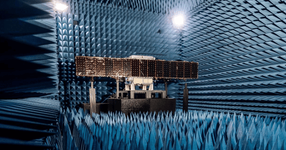
ICEYE MicroSAR satellite (Image Credit: Polish Space Agency)
As part of the same Transporter 15 mission, the following satellites were also launched: PIAST-S1, PIAST-S2 and PIAST-M, and which form a complete constellation of the PIAST (Polish ImAging SaTellites) project. The name of the project is a clear reference to Piast the Wheelwright — a legendary West Slavic duke who lived in the 8th and 9th century, known for his wise and just reign, as well as the paternal great-great-great-grandfather ot the first king of Poland, Bolesław I the Brave.
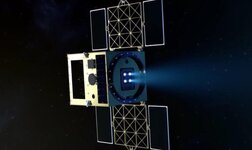
PIAST satellites (Image Credit: Military Technical Academy (WAT))
The PIAST satellites will verify capabilities of precise targeting, determining and predicting the position of satellites in conditions of GNSS (Global Navigation Satellite System) signal interference, encrypted communication, the possibility of using high-thrust propulsion, and a compact design without folding mechanical components.
Shortly after the lift off, the satellites will come under operational control of the Geospatial Reconnaissance and Satellite Services Agency (ARGUS) — the government operator of the satellites and will begin their tasks.
In addition, the Falcon has placed PW6U into the orbit — a civilian cubesat manufactured by SatRev — which will enable data collection for agriculture, forestry, the energy industry, and infrastructure.
According to announcements by the Armed Forces, by 2027 they will have under their control following constellations meant for operational service:
This list does not take into account the three PIAST satellites, as the Armed Forces consider them as technological satellites for scientific and research purposes aimed at development of more advanced technologies, and therefore the Armed Forces do not envisage their use for regular military operations.
The launch of the satellites coincides with a recent military exercise conducted by ARGUS, intended for improvement of skills in the management and command of elements of national space capabilities.
The satellite reconnaissance network being built by Poland, which is intended to became one of the largest - if not the very largest - in Europe, will enable a better insight into threats to the national security posed by neo-imperial Russia, neo-Soviet Belarus and the military expansion of CSTO, as well as a better formulation of responses to their provocative, irresponsible and unproductive actions (such as the past Zapad 2025 drills, the deployment of the Iskanders and tactical nuclear weapons in Kaliningrad and Belarus, and the construction of new offensive bases), that disrupt the peaceful coexistence of dozens of European nations.
Sources:


 space24.pl
Poland has just begun the construction of Europe’s leading orbital reconnaissance network
Today, a Falcon 9 launch vehicle performing Transporter-15 mission took off from Space Launch Complex 4E in Vandenberg Space Force Base (California, United States) with four military satellites of the Armed Forces of the Republic of Poland on board.
One of the satellites is the ICEYE MicroSAR radar reconnaissance satellite — the first of a larger constellation — which enables radar monitoring of the Earth's surface regardless of weather conditions or time of day. The system will enable continuous monitoring of areas of interest, such as military, transport, and energy infrastructure, the Baltic Sea, and national borders, and in the event of war, it will enable reconnaissance and tracking of enemy troop movements, detection of hidden equipment, and assessment of damage. The launch of the satellite is the result of an agreement signed in May this year between the Ministry of National Defense and the consortium of ICEYE and Military Communications Works No. 1 (WZŁ Nr 1) as part of the MikroSAR program, which envisages the launch of three satellites within the basic scope of the executive contract, and three more within the optional scope. ICEYE MicroSAR currently belongs to the world’s cutting-edge SAR satellites.
ICEYE MicroSAR satellite (Image Credit: Polish Space Agency)
As part of the same Transporter 15 mission, the following satellites were also launched: PIAST-S1, PIAST-S2 and PIAST-M, and which form a complete constellation of the PIAST (Polish ImAging SaTellites) project. The name of the project is a clear reference to Piast the Wheelwright — a legendary West Slavic duke who lived in the 8th and 9th century, known for his wise and just reign, as well as the paternal great-great-great-grandfather ot the first king of Poland, Bolesław I the Brave.
PIAST satellites (Image Credit: Military Technical Academy (WAT))
The PIAST satellites will verify capabilities of precise targeting, determining and predicting the position of satellites in conditions of GNSS (Global Navigation Satellite System) signal interference, encrypted communication, the possibility of using high-thrust propulsion, and a compact design without folding mechanical components.
Shortly after the lift off, the satellites will come under operational control of the Geospatial Reconnaissance and Satellite Services Agency (ARGUS) — the government operator of the satellites and will begin their tasks.
In addition, the Falcon has placed PW6U into the orbit — a civilian cubesat manufactured by SatRev — which will enable data collection for agriculture, forestry, the energy industry, and infrastructure.
According to announcements by the Armed Forces, by 2027 they will have under their control following constellations meant for operational service:
- MikroSAR (manufacturer:

 ICEYE) — consisting of 6 radar imaging surveillance units,
 - MikroGlob (manufacturer: Creotech Instruments) — consisting of 4 optical-electronic reconnaissance units,
- POLEOS (manufacturer:
 Airbus Defence and Space) — consisting of 2 optical-electronic reconnaissance units.
This list does not take into account the three PIAST satellites, as the Armed Forces consider them as technological satellites for scientific and research purposes aimed at development of more advanced technologies, and therefore the Armed Forces do not envisage their use for regular military operations.
The launch of the satellites coincides with a recent military exercise conducted by ARGUS, intended for improvement of skills in the management and command of elements of national space capabilities.
The satellite reconnaissance network being built by Poland, which is intended to became one of the largest - if not the very largest - in Europe, will enable a better insight into threats to the national security posed by neo-imperial Russia, neo-Soviet Belarus and the military expansion of CSTO, as well as a better formulation of responses to their provocative, irresponsible and unproductive actions (such as the past Zapad 2025 drills, the deployment of the Iskanders and tactical nuclear weapons in Kaliningrad and Belarus, and the construction of new offensive bases), that disrupt the peaceful coexistence of dozens of European nations.
Sources:
- SpaceX:
- Space24.pl:
Polskie satelity wystrzelone. Wojsko zyska nowe zdolności
28 listopada br. firma SpaceX przeprowadziła start misji Transporter-15. Na pokładzie systemu nośnego Falcon 9 wyniesiono łącznie 140 ładunków, wśród których znalazły się jednostki opracowane przez polskie podmioty. Szczególnie ważny dla Sił Zbrojnych RP jest pierwszy z satelitów radarowych...
space24.pl
- Polska Zbrojna (Armed Poland):
Last edited:
 practical and scientific payloads,
 satellite platform technologies,
 space launch technologies.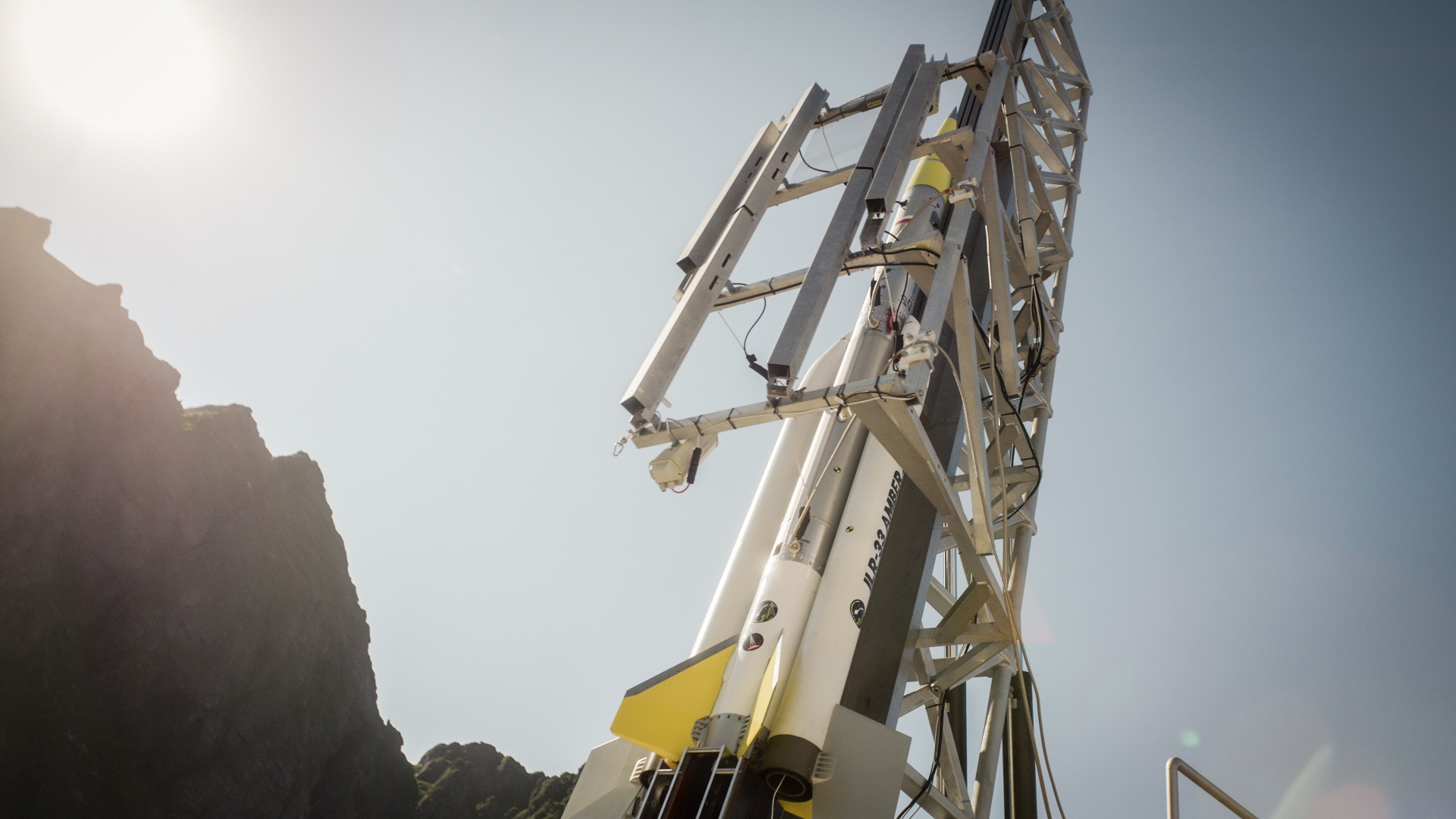







 & closer Poland-U.S. military cooperation in space


 ) and Space scAvengers (
 ). Moreover, the project is developed in collaboration with, inter alia, the European Space Agency, the Polish Space Agency (POLSA), the Ministry of Development and Technology, and the Ministry of National Defence.