Updates Artemis II

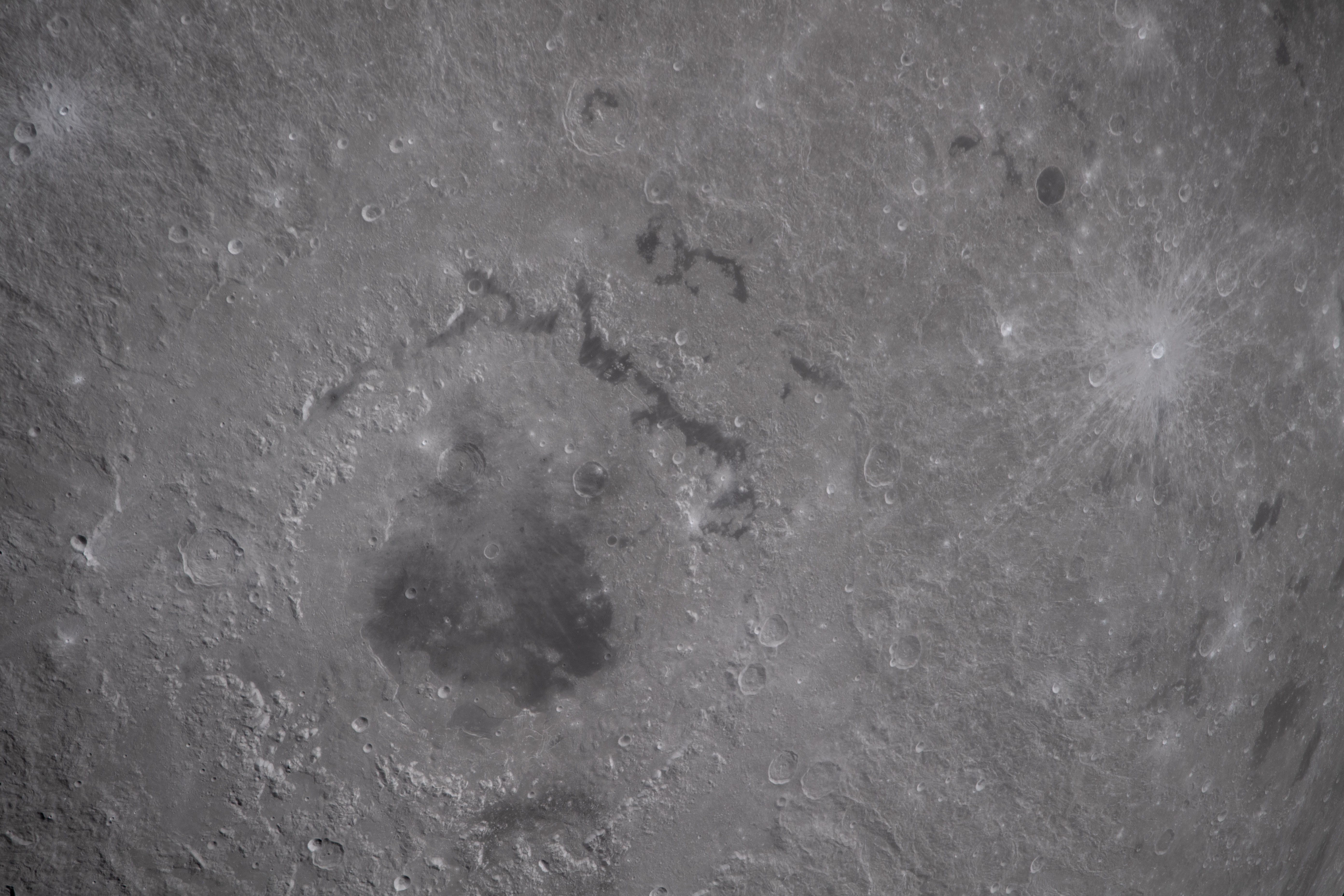
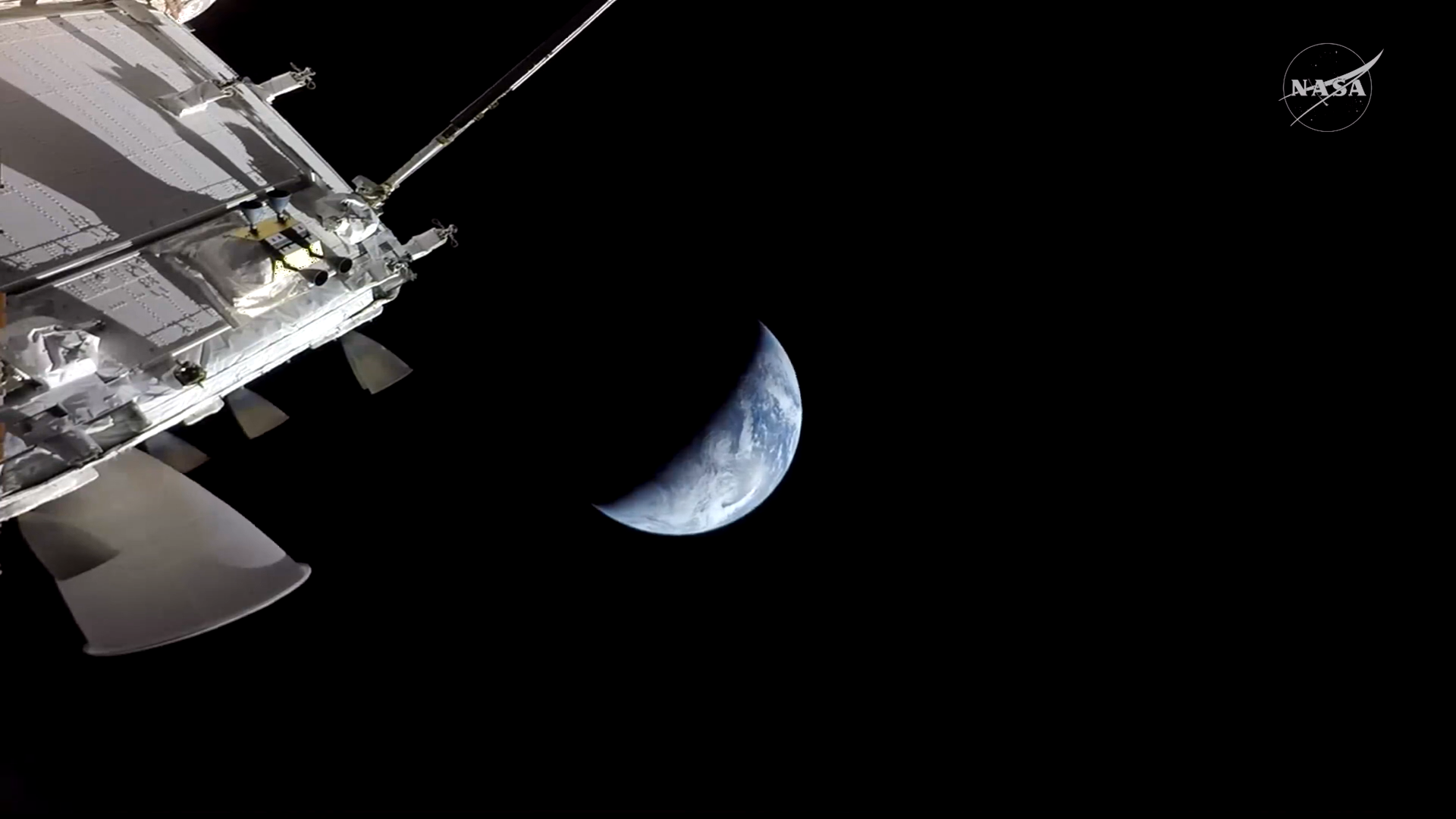
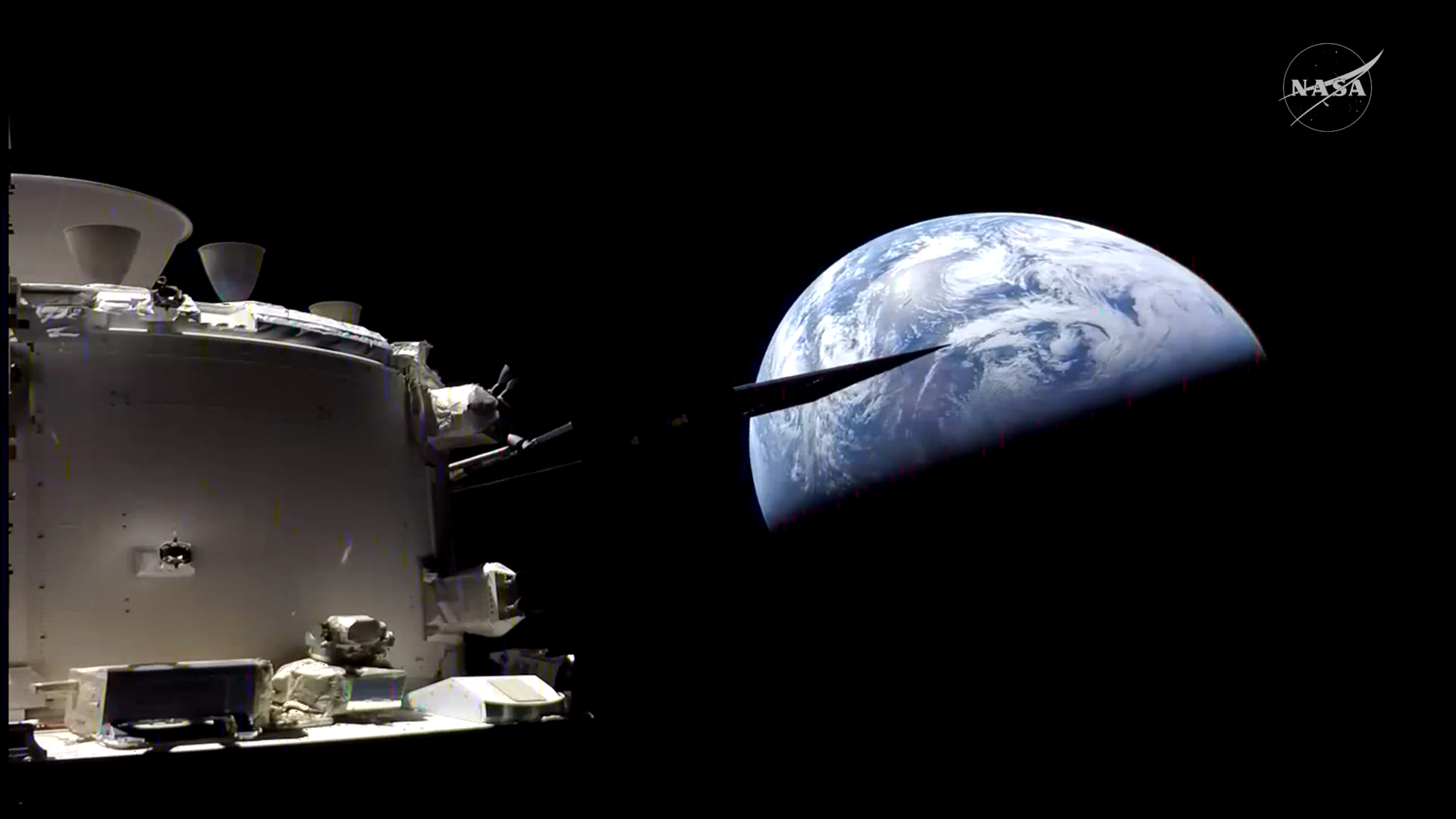
The image of the moon is very science fiction looking.

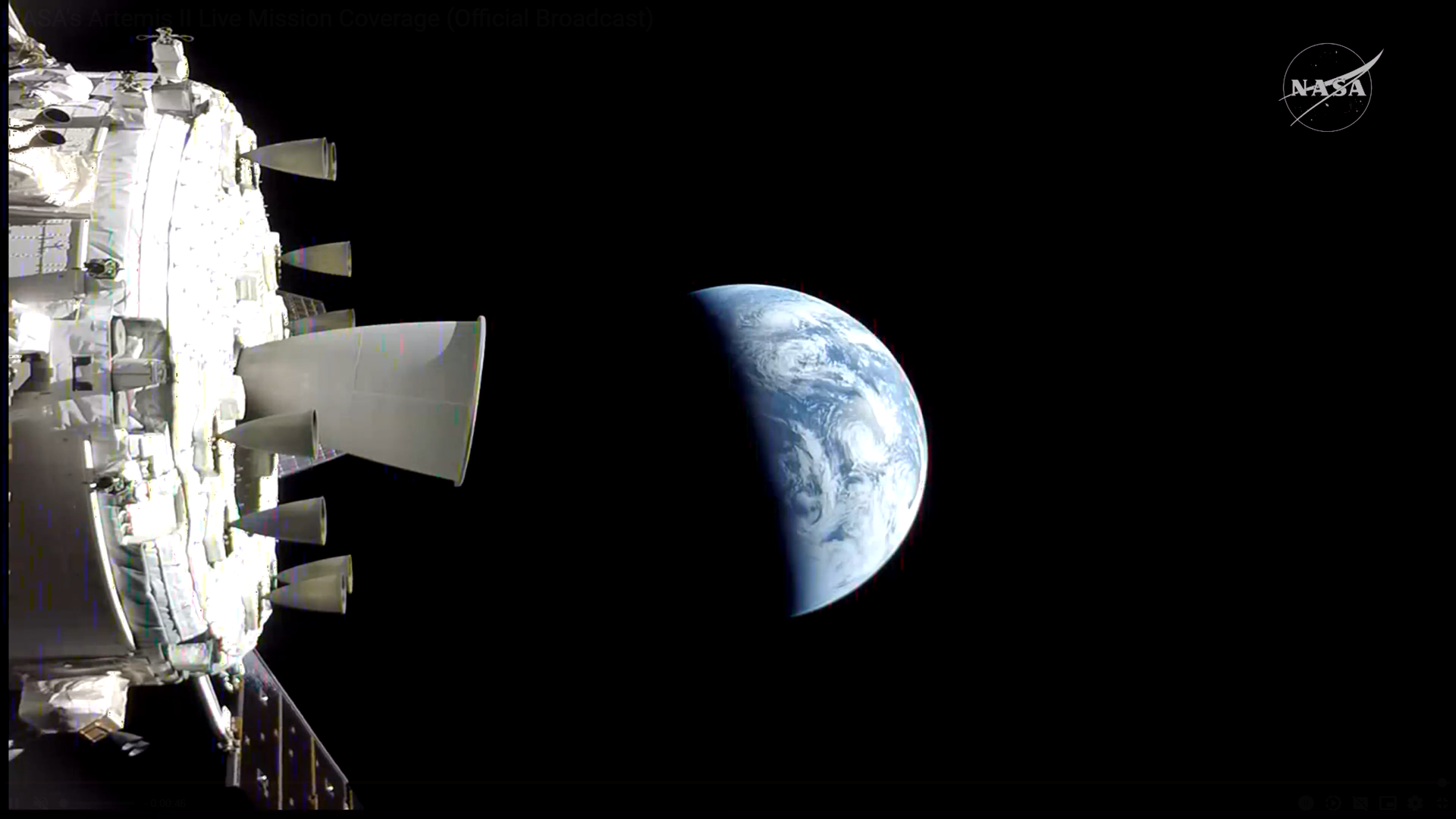
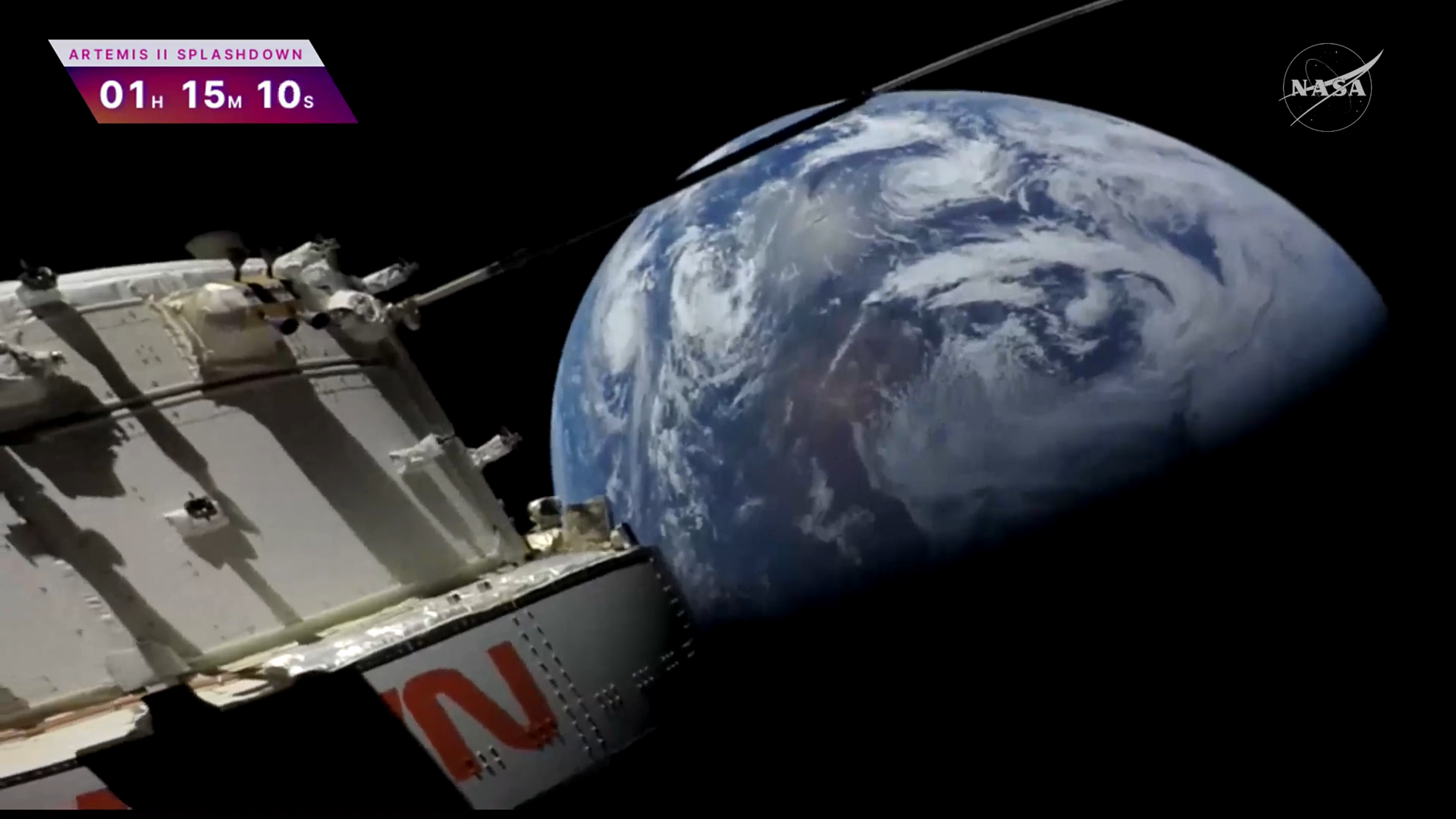
The image of the Earth is very detailed, and the roundness of it is actually shown. The past missions cameras don't do the clarity due to the lens and so on compared to these.

They have the flag that was saved for Apollo 18 on their flight. Someday it may be on the surface. I never knew there was a flag saved for that mission considering it was cancelled.

A few references to the creator, faith, prayer, which I don't reall aprove of. The Trump telephone call was expected, but pretty bland.

But yeah, no sign of any UAP activity. Even in the scifi image. Must be R&R in another part of this galaxy while this mission was going on.
 
art002e012090~orig.jpg


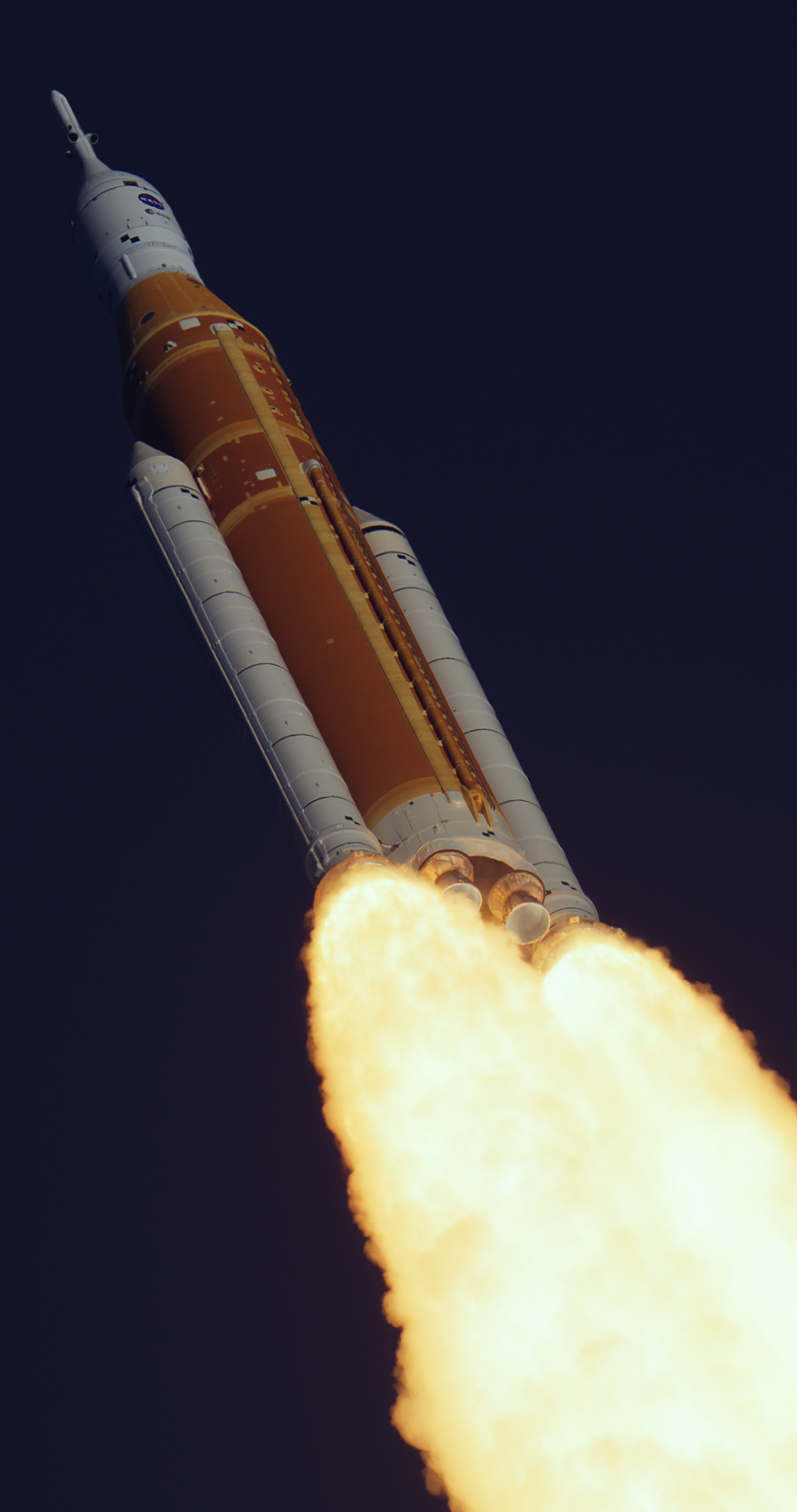
Even more launch views:
KSC-20260401-PH-SFL01_0006~orig.jpg

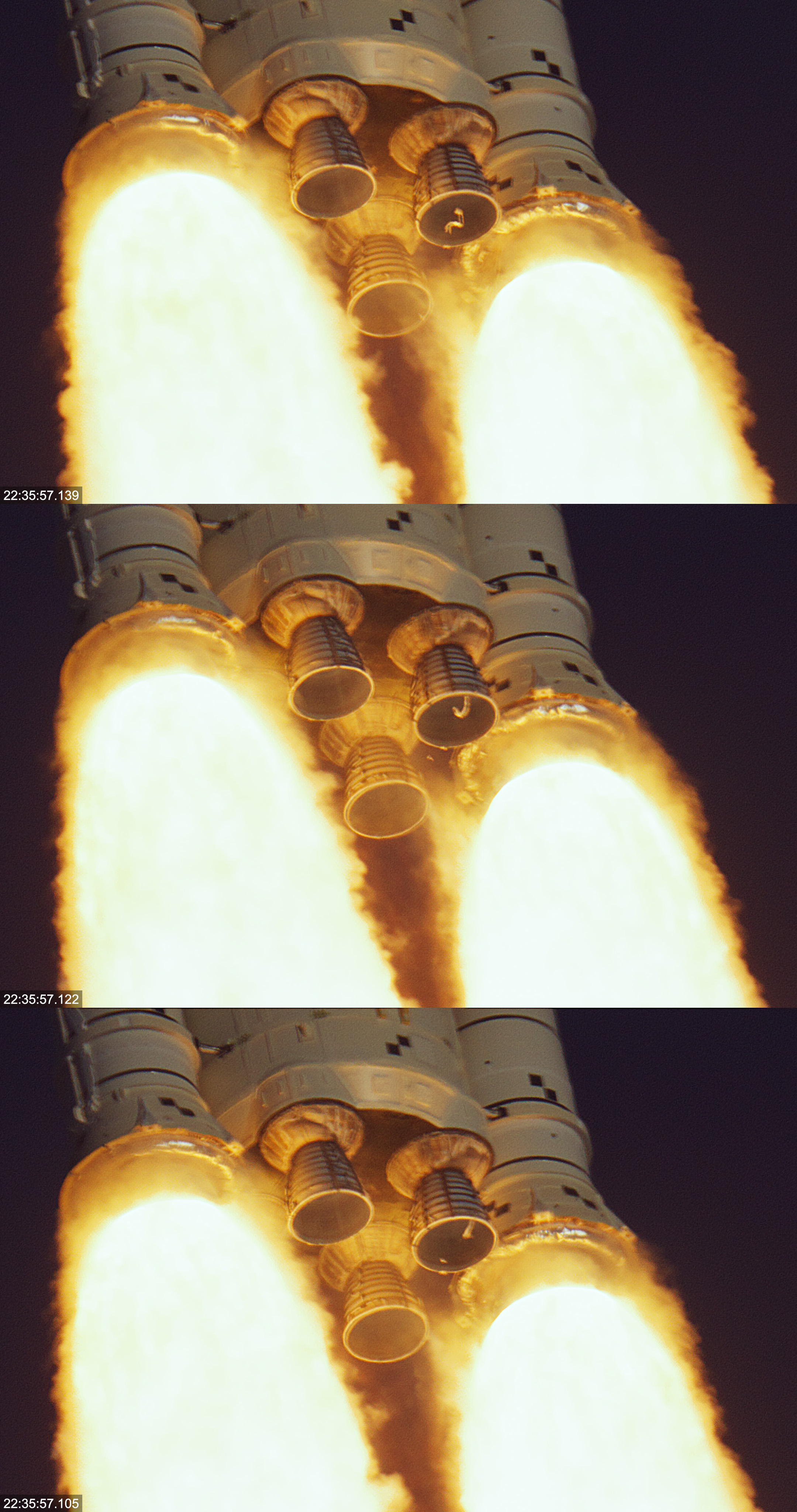
KSC-20260401-PH-SFL01_0007~orig.jpg

KSC-20260401-PH-SFL01_0004~orig.jpg
 
Last edited:
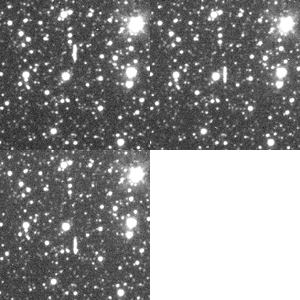
Artemis 2 as imaged last night by astronomers of the Warsaw University with the 1.3 m (51 in) Warsaw Telescope located at Las Campanas Observatory in Chile. This telescope is used on a daily basis in the well-known OGLE project to detect gravitational microlensing events in our Galaxy, and it has just captured Artemis 2 passing against the background of the Milky Way at a speed of 10 arcseconds per minute. We can see three images, each with an exposure time of 1 minute, and with a field of view equal to 2' by 2', showing the Artemis’ trail.

artemis.gif

 
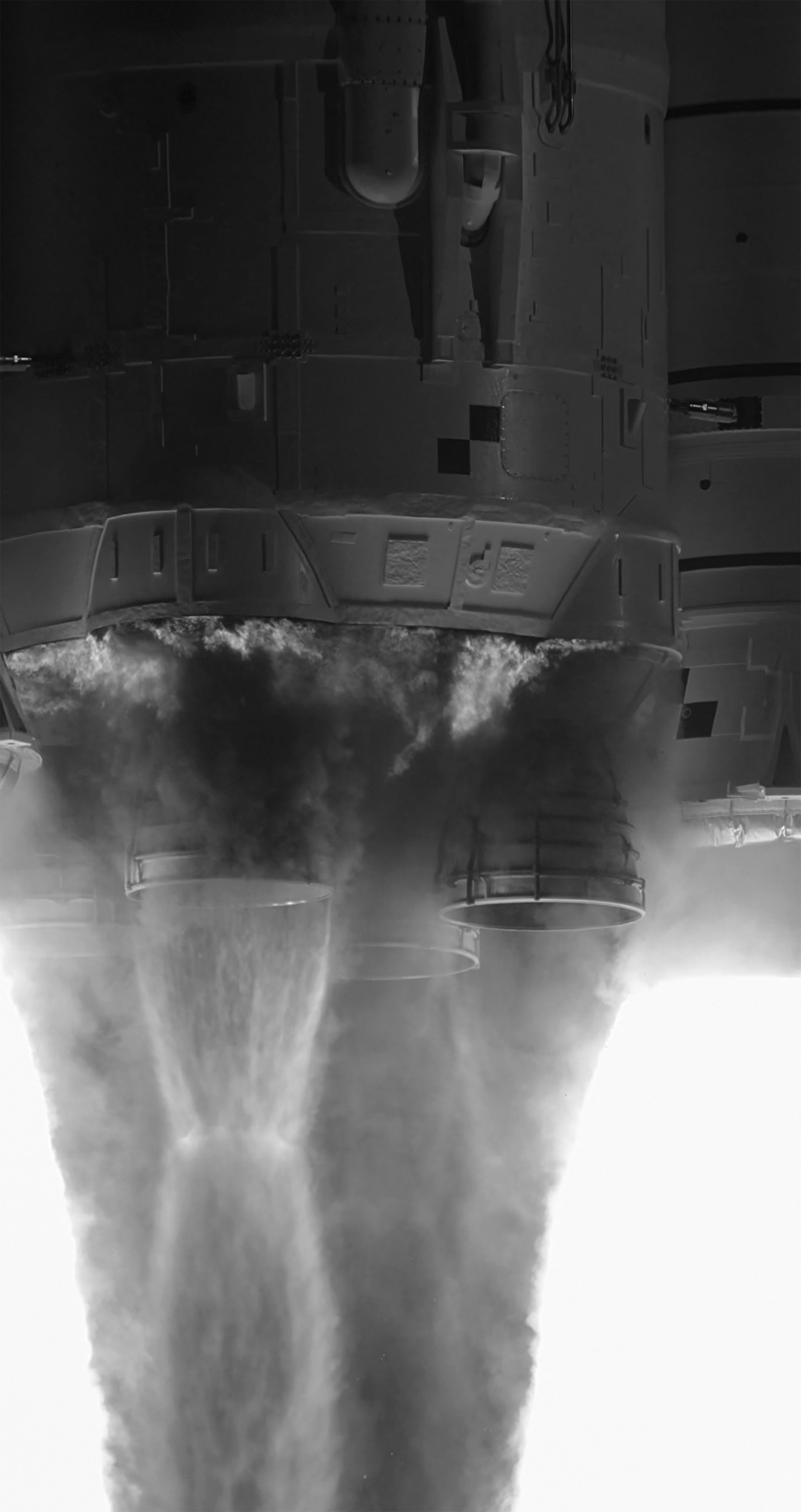
Still more nice visible and IR imagery of the launch

KSC-20260401-PH-KED04_0052~orig.jpg

KSC-20260401-PH-KED04_0064~orig.jpg

KSC-20260401-PH-KED04_0074~orig.jpg

KSC-20260401-PH-KED02_0034~orig.jpg

KSC-20260401-PH-KED02_0045~orig.jpg
 
Artemis 2 as imaged last night by astronomers of the Warsaw University with the 1.3 m (51 in) Warsaw Telescope located at Las Campanas Observatory in Chile. This telescope is used on a daily basis in the well-known OGLE project to detect gravitational microlensing events in our Galaxy, and it has just captured Artemis 2 passing against the background of the Milky Way at a speed of 10 arcseconds per minute. We can see three images, each with an exposure time of 1 minute, and with a field of view equal to 2' by 2', showing the Artemis’ trail.

View attachment 48100

That reminds me, a hobby astronomer that’s a friend of a friend captured Artemis II in almost exact same fashion, I’ll have to dig up the post.
 
One would know it with a basic understanding of orbital mechanics, but the fact that they were halfway home about 24 hours prior to splashdown really gives one a tangible appreciation of how quickly Orion is now accelerating. Even so, the scale and the velocities at play in a spaceflight such as this - thinking beyond just the physics - are outside the innate comprehension of the human mind.
 
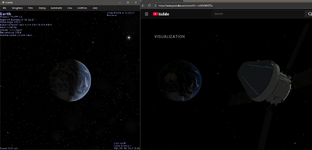
I only just now noticed that the NASA visualization has the same Earth clouds texture as Celestia.
 

Attachments

  • celestia.png
    celestia.png
    241.8 KB · Views: 11
Back
Top