Updates NASA's Mars 2020 Rover

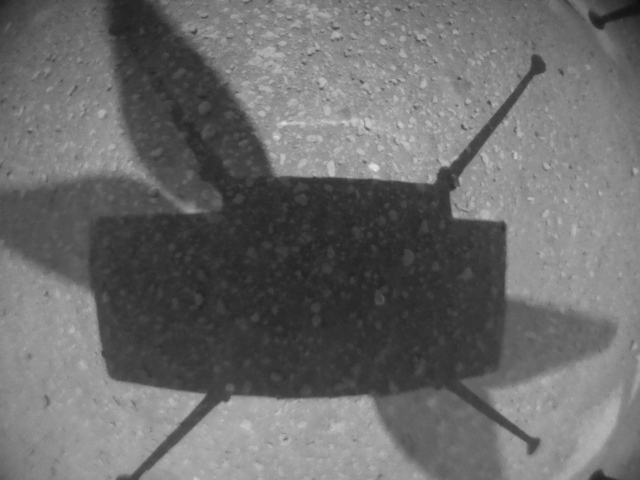
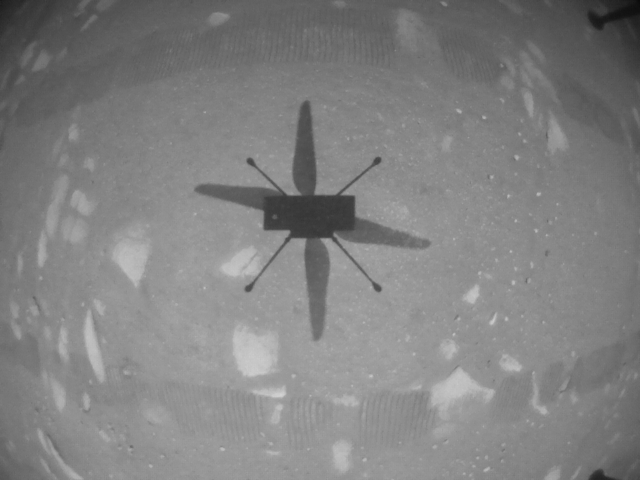
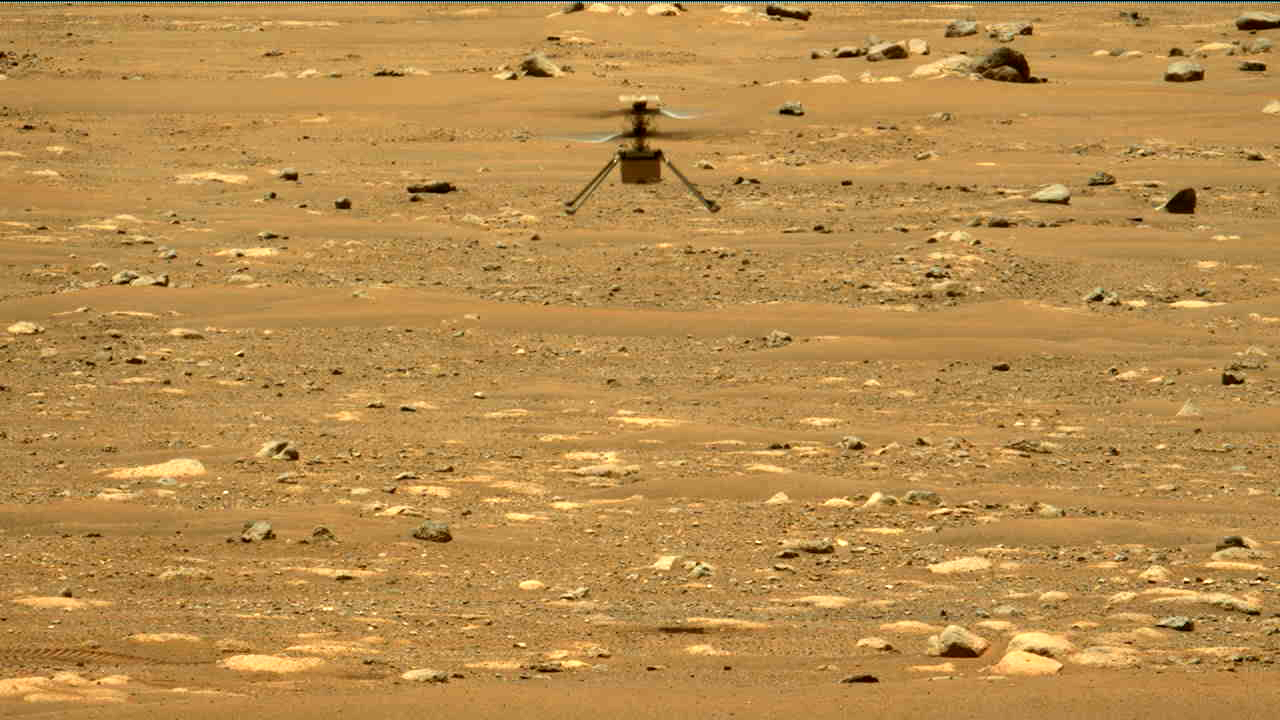
I am rather surprised that the rotor blades are so clearly outlined in the shadow... They must be working with very short exposure, which is kinda surprising considering there's less light on mars than here...

 
I am rather surprised that the rotor blades are so clearly outlined in the shadow... They must be working with very short exposure, which is kinda surprising considering there's less light on mars than here...
Interesting observation ?
I can imagine that the image is "stacked" by taking several pictures with very short exposure that are precisely triggered / synchronized with the rotor speed.
Speed synchronization would be an easy thing I guess.
But those little (tiny?) details is what I love about space-stuff. And wait until some scientists get their hands dirty...it almost always blew my mind what additional data they extract from the "original" data, when they combine all known parts.
 
45983_PIA24587-full.png


45995_3E-ncam_flight10000003.jpeg

45980_3-PIA24584-Ingenuity%27s_First_Black_and_White_Heli_Shot_from_the_Air.jpeg
 
To be fair most drone footage I've seen has been very very steady.
This seems to be useing something quite similar.
 
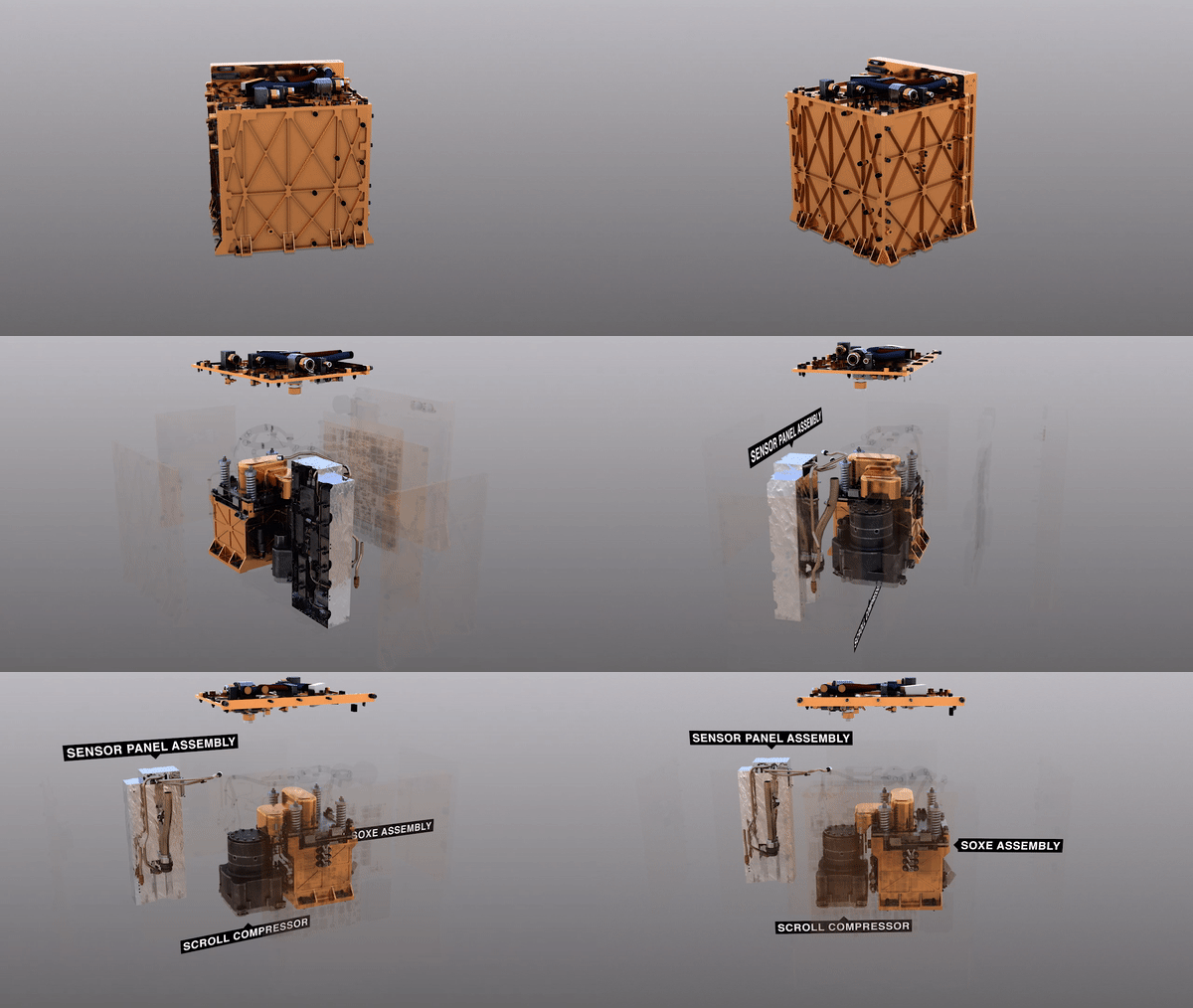
The MOXIE experiment produced oxygen from the Martian atmosphere.


This is huge. If we can fly a full-scale apparatus to Mars and have it make all of the oxygen needed, that is going to significantly increase the payload available to Mars and improve the overall safety and capability of arriving astronauts.
 
This is huge. If we can fly a full-scale apparatus to Mars and have it make all of the oxygen needed.

I think its getting more and more obvious that robots should prepare a "base camp", almost "ready-to-use" (like an habitat with breathable air inside) for an human expedition. As you say it would improve both safety and efficiency, not only in terms of payload, but also in terms of using the time there to focus on real on-site science like geology, biology, medicine... And let the bots do as much of the "physical" work as possible.
 
Send Boston Dynamics "Big Dog", just don't call him Rover, may cause confusion.

 
I like the idea of sending gear beforehand. Land it like they landed Opportunity and you'll even have some nice panels to build a structure with when you get there.
 
A waste product, carbon monoxide, is emitted into the Martian atmosphere.
It's sure good the carbon footprint is already messed up! :lol:

Land it like they landed Opportunity and you'll even have some nice panels to build a structure with when you get there.
Trouble is, you can't really land more massive things that way. That's why curiosity and perseverance used the skycrane.
 
That's why you'd land multiple vehicles, landing in shotgun formation. Just sort of spitballing here of course, but it seems to me that if 'some assembly is required' it would be cheaper to send smaller, easier land-able parts than a whole habitat.
 
it would be cheaper to send smaller, easier land-able parts than a whole habitat.
Musk disagrees ;) A very large, reusable lander (Starship) is cheaper.
A large habitat needs to be underground and requires heavy machines in order to dig.
Just look at the Antarctica bases. Lots of heavy hardware there. Just my 2cents ;)
 
An instrument on Nasa's Perseverance rover on Mars has made oxygen from the planet's carbon dioxide atmosphere.
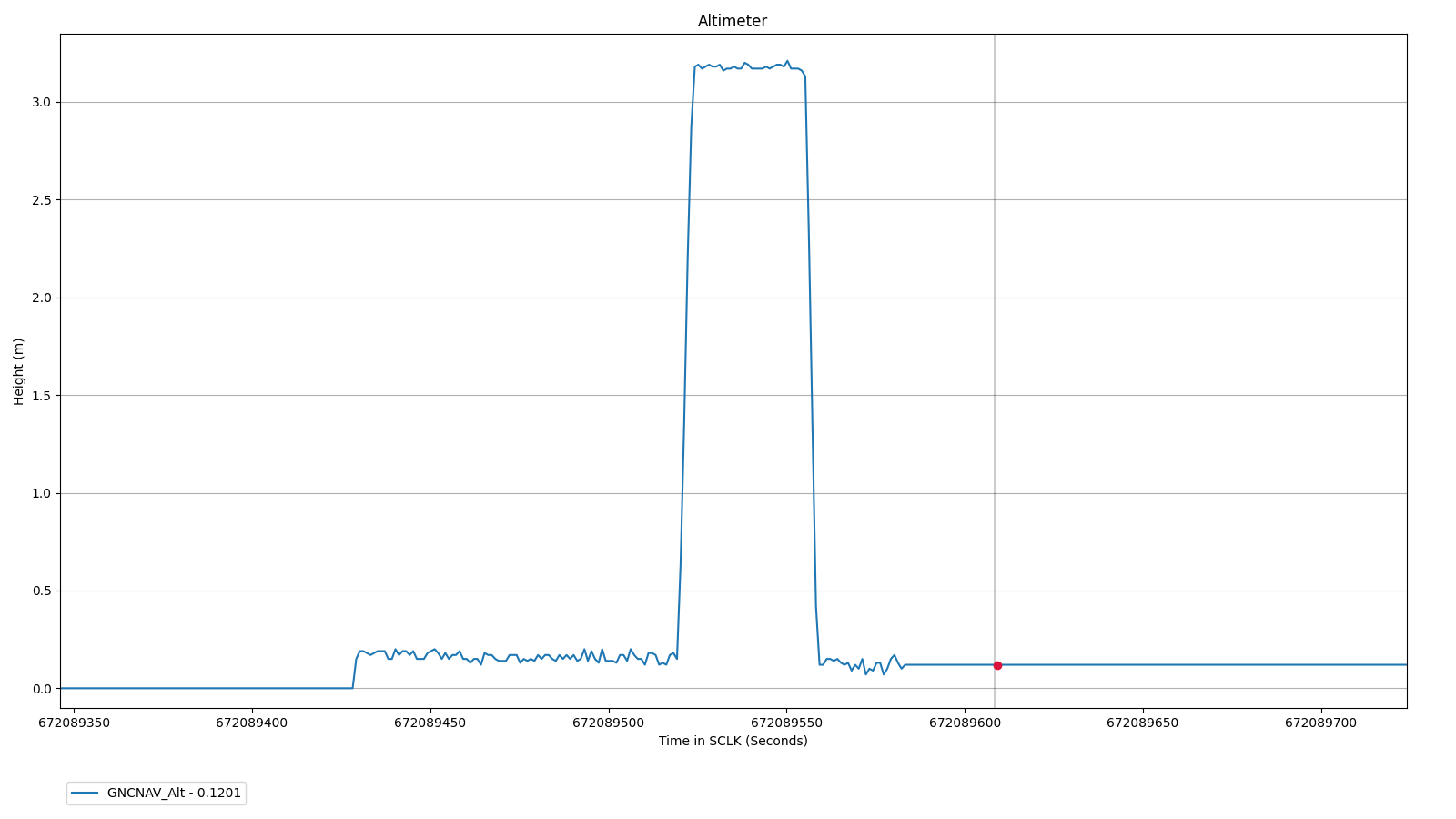
It's the second successful technology demonstration on the mission, which flew a mini-helicopter last Friday.
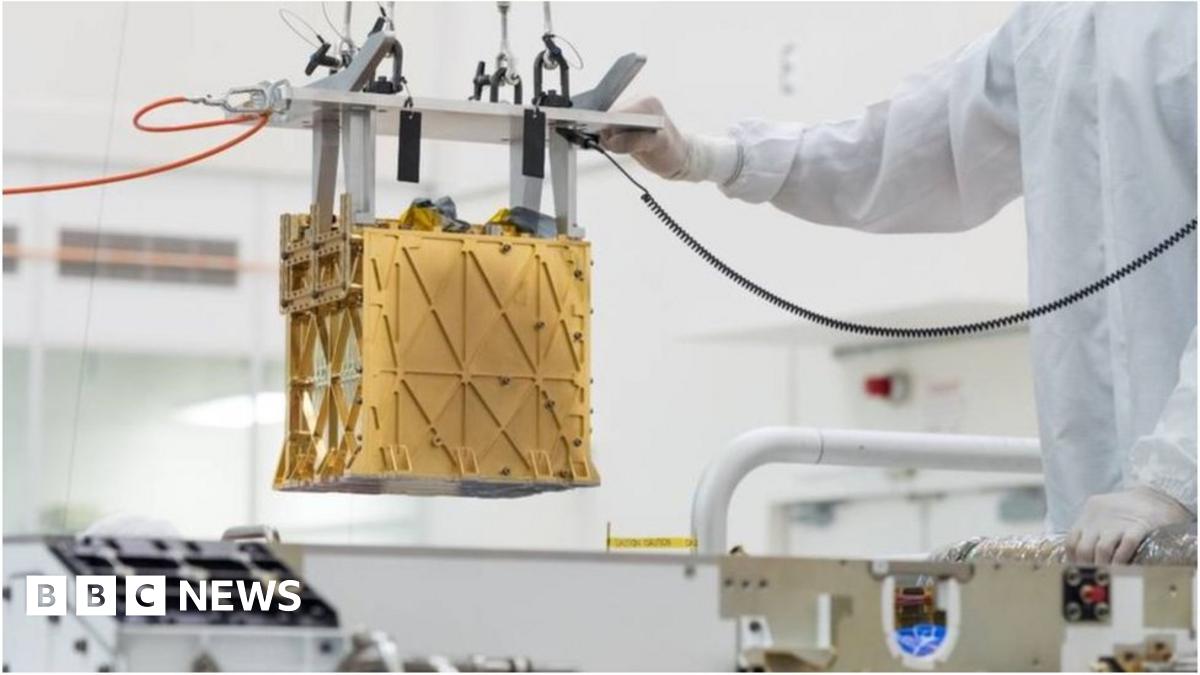
The oxygen generation was performed by a toaster-sized unit in the rover called Moxie - the Mars Oxygen In-Situ Resource Utilization Experiment.
 
Back
Top