News Poland's presence in the space

April 29, 2025

The launch date of the IGNIS mission has been revealed


Ax-4_Mission_Patch.png ESA_Ignis_patch_100x100.png

Today, Axiom Space announced that the launch of Ax-4 to the ISS is scheduled to take place on May 29, 2025, at 7:03 P.M. CEST (1:03 P.M. EDT). The crew of four astronauts will take off onboard of the Dragon spacecraft from the KSC.

The following crew will participate in Ax-4 mission:
  • Peggy Whitson — commander, United States 🇺🇸
  • Shubhanshu Shukla — pilot, India 🇮🇳
  • Sławosz Uznański-Wiśniewski — mission specialist, Poland 🇵🇱
  • Tibor Kapu — mission specialist, Hungary 🇭🇺


Ax-4 will include a scientific component provided by Poland, known as the IGNIS. All activities related to the IGNIS project will be conducted by one of the crew members: Dr. Sławosz Uznański-Wiśniewski — an ESA and POLSA design astronaut, and who gained many years of scientific experience as a CERN physicist.

Overall, thorough the IGNIS mission, Dr. Sławosz Uznański-Wiśniewski will conduct 13 scientific and technological experiments. These will include: studies of the effects of prolonged stays in space on human mental health, the operation of advanced AI units in low-gravity conditions, monitoring noise levels on the ISS, and the use of microalgae in future space missions and space medicine, among others.

Updates on the IGNIS mission might be followed on the mission’s official page:
plinspace.pl

 
April 15, 2025

Successful test flight of the TRS rocket's hardware


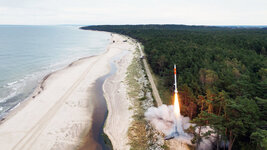
At the height of the ongoing presidential campaign, this news has passed fairly unnoticed… A single 300 mm stage of the Three-Stage Suborbital Rocket (TRS — Trójstopniowa Rakieta Suborbitalna) under development by a military consortium made a successful test flight on April 15.


With a takeoff weight of 280 kg, the stage carried a dummy payload of 40 kg, reaching a speed of 620 m/s.

The key objectives of the mission, including: verification of the operation of on-board navigation and control systems, engine operation under flight conditions, flight termination system, telemetry systems, and aerodynamics efficiency, were fully met.

The technical solutions developed with the TRS project might be used to build a future orbital launch, as well as anti-aircraft missiles and tactical ballistic missiles. The consortium's R+D works on the TRS have already resulted in successful tests of a 610 mm rocket motor - and thus comparable to that used in the ATACMS missiles.
 
May 14, 2025

SAR satellites for the Ministry of the National Defence ordered


Satellite-constellation-render_content-bg_full.webp
Image Credit: ICEYE

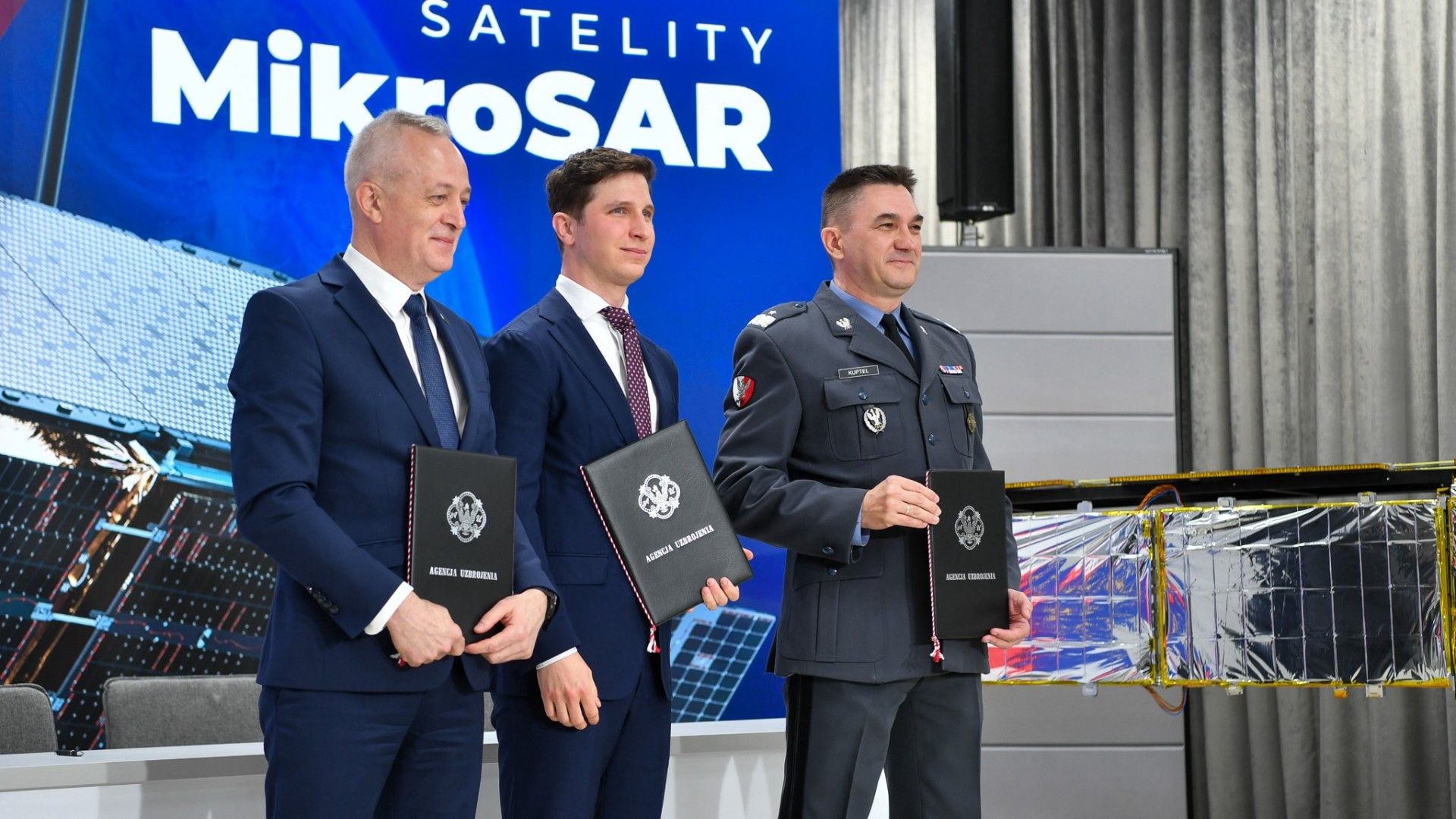
Today, the Ministry of National Defence and the consortium of ICEYE and the Military Communications Works No.1 (WZŁ Nr 1) have signed a contract for the delivery of the Earth Observation Satellite System (SSOZ), consisting of the Space Segment — a constellation of domestically designed and manufactured radar reconnaissance satellites — and the Ground Segment (Ground-based Mobile Segment (MSN)). According to publicly revealed information, the contract is worth approx. PLN 860 million.

ICEYE — the leader of the consortium, as well as the world's leading manufacturer and operator of radar observation satellites — will deliver the Space Segment consisting of three SAR satellites (with additional three satellites to be purchased if the expansion option will be executed), whereas WZŁ Nr 1 will be responsible for providing the Ground Segment. The Ground Segment will allow two-way communication with the satellites and real-time image data processing.

All of the satellites will be placed on a Sun-synchronous orbit (SSO). The satellites will provide imagery with resolution as high as 25 cm, regardless of weather conditions or time of day. Together with other satellite reconnaissance systems previously acquired by the Armed Forces, the new constellation of satellites will allow rapid revisitation of the surveilled area.

It is expected, that the first satellite will be launched in October 2025. The remaining satellites will be deployed in the following year.

Source: Space24.pl
 
May 14, 2025

Ax-4/IGNIS mission rescheduled


Yesterday, Axiom Space officially announced that Ax-4 mission has been postponed from its originally planned date of May 29 to no earlier than June 8 (9:11 A.M. EDT/3:11 P.M. CEST).


The first, then unconfirmed reports on the possible postponement of the mission had been reported by "Times of India" about a week ago. According to an anonymous source cited by "Times of India”, the postponement arose due to a minor, easy-to-repair technical malfunction located in the Dragon spacecraft.

The following crew:
  • Peggy Whitson — commander, United States 🇺🇸
  • Shubhanshu Shukla — pilot, India 🇮🇳
  • Sławosz Uznański-Wiśniewski — mission specialist, Poland 🇵🇱
  • Tibor Kapu — mission specialist, Hungary 🇭🇺
is expected to arrive to the ISS for a 14 day mission aboard the Crew Dragon spacecraft which will take off from LC-39A in KSC. The mission will include inter alia IGNIS scientific component, prepared by POLSA, with 13 technological and scientific experiments to be conducted by one of the crew members, Dr. Sławosz Uznański-Wiśniewski — a POLSA & ESA astronaut.

Sources:
  • SpaceX and Axiom Space on X.com
  • IGNIS mission offical page
 
June 4, 2025

The launch date of Ax-4/IGNIS postponed again


According to the latest announcement, Ax-4/IGNIS mission to the ISS has been rescheduled for the second time. The take off will take place not earlier than on June 10, at EDT 8:22 A.M./CEST 2:22 P.M.


Source:
  • POLSA and Axiom Space on X.com
 
June 25, 2025

Ax-4/IGNIS mission took off today successfully ✌️


Today, at EDT 2:31 A.M. (CET 8:31 A.M.), Ax-4 mission successfully took of from LC-39A at KSC with the crew as follows:
  • Peggy Whitson — commander, United States 🇺🇸
  • Shubhanshu Shukla — pilot, India 🇮🇳
  • Sławosz Uznański-Wiśniewski — mission specialist, Poland 🇵🇱
  • Tibor Kapu — mission specialist, Hungary 🇭🇺


The mission has finally come to fruition after several delays caused by a sequence of unfavorable events, such as technical malfunction detected in the Dragon, harsh weather conditions over Florida skies and troubles plaguing the Zvezda module.

This particular Dragon spacecraft today received a new name from its crew: Grace.


After stage separation, Falcon 9 successfully landed at Landing Zone 1.


Dragon is expected to arrive to the ISS tomorrow, on June 26. The docking is scheduled at EDT 7:00 A.M. (CET 1:00 P.M.)


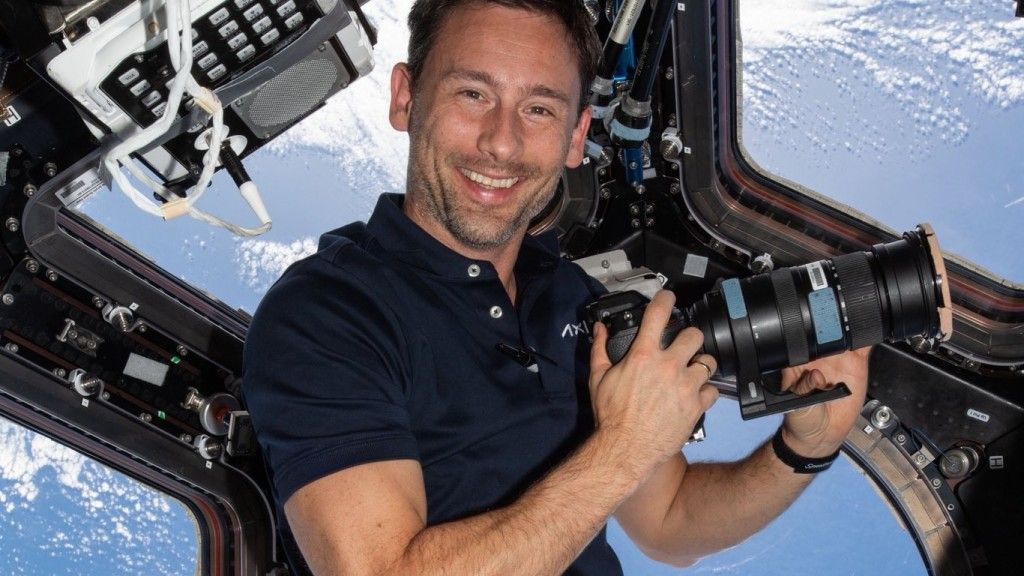
As Thomas Pesquet has aptly pointed out, the three countries: Poland, Hungary and India have just sent their first astronauts after a lengthy gap of more than 40 years (i.e., respectively: Mirosław Hermaszewski 🇵🇱 on Soyuz 30/Salyut 6 in 1978, Bertalan Farkas 🇭🇺 on Soyuz 36/Salyut 6 in 1980 and Rakesh Sharma 🇮🇳 on Soyuz T-11/Salyut 7 in 1984):

 
June 26, 2025

Grace with Ax-4 astronauts on board has made it to the ISS


Dragon spacecraft Grace with the Ax-4 expedition on board, has successfully and without any unforeseen difficulties docked with the International Space Station.

https://tvpworld.com/87491947/iss-hosts-space-party-for-ax-4-mission-crew-with-polish-astronaut


The docking occurred at UTC 10:30 A.M. (CET 12:30 P.M.), i.e. earlier than previously anticipated by half an hour. After pressure equalization, the hatches were opened at UTC 12:10 P.M. (CET 2:10 P.M.).


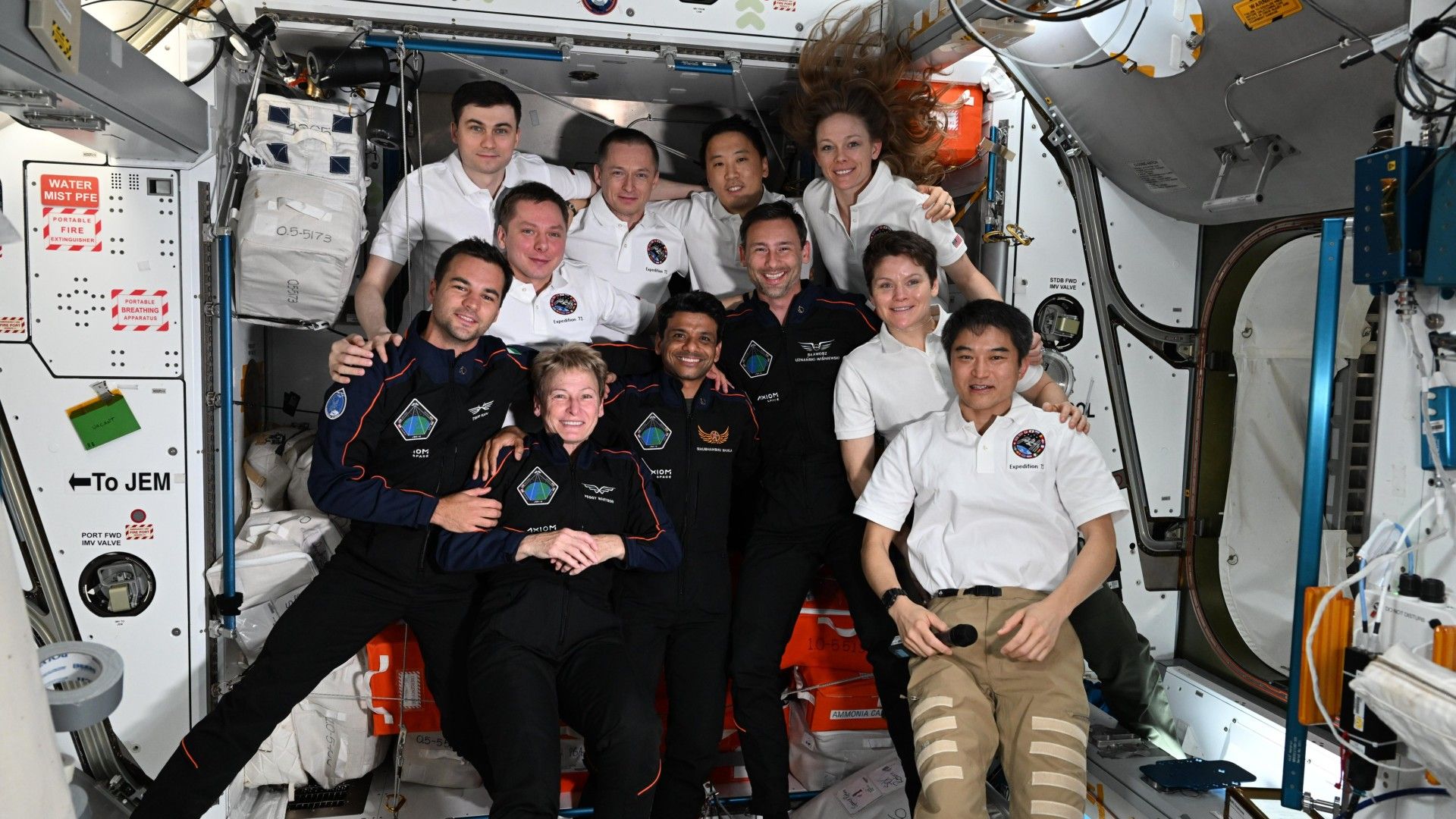
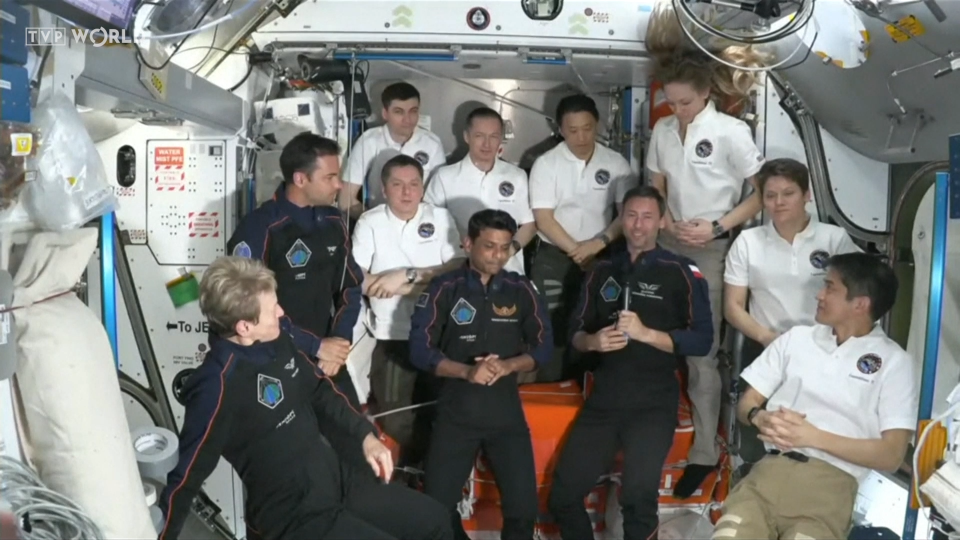
After pressure equalization, the hatches were opened at CET 2:10 P.M. Shortly after, Ax-4 crew members boarded the International Space Station more than a day after launch, where they were greeted by astronauts from the 73rd Expedition. There was, of course, the traditional welcoming ceremony.


After long, exhausting and demanding preparations, and after many adversities overcome, the Ax-4 crew has joined the ranks of the few more than 600 people, chosen from among the eight billion who have been given the opportunity to see the Blue Planet from space. Many amazing moments and discoveries await them in the coming days, but also unearthly and hard work that will bring much good to our Earth.

 
June 27-30, 2025

The first experiments of the IGNIS mission on the ISS have started


During the last weekend, Polish astronaut Sławosz Uznański-Wiśniewski conducted the first experiments as part of IGNIS mission, namely: Immune Multiomics, Human Gut Microbiota and MXene in LEO. Below is a very brief description of these studies.


Immune Multiomics 💉

Patch_IM_v2_copy.png

Provided by: Military Technical Academy (WAT)
  • This experiment compares blood samples taken from astronauts before, during, and after their stay on the ISS.
  • More about experiment characteristics, objectives, and possible benefits: here

Human Gut Microbiota 👨‍🔬

Patch_HGM_v4_copy.png

Provided by: Military Technical Academy (WAT)
  • This experiment examines how the gut microbiota changes during a short-duration space mission and how those changes may impact astronauts’ health.
  • More about experiment characteristics, objectives, and possible benefits: here

MXene in LEO 🔬

MXene.png

Provided by: AGH University of Krakow (AGH)
  • An experiment dedicated to the study of a nanomaterial known as MXene and its behavior in space conditions. The experiment included heart rate measurements using a sensor using MXene.
  • More about experiment characteristics, objectives, and possible benefits: here

It is estimated that the achievement of IGNIS mission objectives has reached a level of over 21.6%. As the IGNIS mission progresses, we should learn more about the next experiments performed during the next days.

Sources:
  • Space24.pl

  • TVP World
 
July 1-2, 2025

IGNIS Mission Log - Days 4 & 5: Further experiments have been commenced


The experiments launched in previous days have been joined by others: AstroMentalHealth, EEG Neurofeedback, PhotonGrav and Wireless Acoustics.

AstroMentalHealth 👨‍🚀

AstroMentalHealth.png

Provided by: University of Silesia (in cooperation with: University of Zielona Góra, University of Wrocław, SWPS from Wrocław and LunAres Research Station)
  • AstroMentalHealth aims to study the impact of being in space on the mental state and well-being of astronauts. The research uses daily observations, psychological measurements and video logs to track astronauts' experiences and well-being throughout the mission, with the goal of developing more effective methods of psychological support for those working in extreme conditions both on Earth and in space.
  • More about experiment characteristics, objectives, and possible benefits: here

EEG Neurofeedback 🧠〰️⚡

EEG Neurofeedback.png

Provided by: Academy of Physical Education and Sports in Gdańsk
  • EEG Neurofeedback is an experiment to train the brain to regulate its mental states using brain wave information via encephalography (EEG). It is expected that EEG Neurofeedback might support astronauts’ mental resilience and concentration.
  • More about experiment characteristics, objectives, and possible benefits: here

PhotonGrav 🧠↔️🖥️

PhotonGrav.png

Provided by: Cortivision
  • This experiment includes a brain-computer interface for purposes of muscle-free communication in microgravity, using only brain signals. This solution can improve communication between astronauts under conditions of mobility limitations, as well as physical and mental fatigue.
  • More about experiment characteristics, objectives, and possible benefits: here

Wireless Acoustics

Wireless Acoustics.png

Provided by: Svantek
  • A wireless system for continuous noise monitoring on the International Space Station, aimed at identification of potential noise-related hazards and contribute to improving astronauts’ living and working conditions, especially during long-term missions.
  • More about experiment characteristics, objectives, and possible benefits: here
Meanwhile, Ax-4 astronauts have been continuing The Human Gut Microbiota and MXene in LEO experiments commenced in the previous days. According to POLSA, the task completion level reached 36,8%.

Moreover, today video calls with a broad audience and with the Minister of Development and Infrastructure, who is responsible for managing the Polish Space Agency POLSA, took place.

The next few days will bring more news - we look forward to hearing more from the Ax-4 crew.

Source: Space24.pl

 
July 14, 2025

Ax-4/IGNIS mission comes to an end


Today, Dragon spacecraft Grace with Ax-4 crew departed from the ISS after 17 days of its visit on the Station.


As of the beginning of the last labor day at the station, 99.2% of the primary tasks and 27.6% of the secondary tasks had been completed. As the astronauts had completed all research activities, the research results - including amongst them 13 experiments that constitute IGNIS mission - were carefully transferred aboard Dragon.

On Sunday, less than 24 hours prior to the departure, a farewell ceremony took place with Ax-4 astronauts and with the long-term expedition crew members:

The complete list of the experiments conducted during IGNIS mission is available here.

The hatch was closed at CET 11:07 A.M. At CET 1:15 P.M., Dragon undocked from the ISS.

The spacecraft is expected to land 22 hours later, on July 15, in the Pacific, near the coast of California.

We are keeping our fingers crossed for the peaceful and safe return of the four astronauts. 🤞

 
July 15, 2025

Ax-4/IGNIS mission happily ends


Today at PDT 2:31 A.M. (CET 11:31 A.M.), Dragon spacecraft Grace successfully landed with Ax-4 crew onboard. The splashdown took place in Pacific waters, in the vicinity of California. After the spacecraft had landed, SpaceX recovery teams arrived within minutes. The crew and spacecraft were taken up by SpaceX’s MV Shannon ship. Overall, the mission, that commenced on June 25, lasted for 20 days, 2 hours and 59 minutes.

Moreover, the spacecraft brought back to Earth 260 kg of scientific payload, including IGNIS experiments. Currently, Astronaut Dr. Uznański-Wiśniewski is awaiting for flight to ESA’s European Astronaut Center in Cologne (Germany) in order to undergo routine post-flight medical examination.


Sources:
  • TVP World
https://tvpworld.com/87846703/space...nski-wisniewski-lands-safely-in-pacific-ocean
  • Space24.pl
https://space24.pl/pojazdy-kosmiczne/statki-kosmiczne/polski-astronauta-laduje-na-ziemi-live
 
July 16, 2025

Astronaut Sławosz Uznański-Wiśniewski returns to Europe; Ax-4/IGNIS mission summary


Today, Astronaut Dr. Sławosz Uznański-Wiśniewski arrived at CET 10:45 A.M. in Cologne (Germany) on a government plane, after an 8-hour long flight from the United States.

“I return with a head full of ideas on how to capitalize on this mission and build our future.” — the astronaut said shortly after the landing, during an interview with journalists. „The space mission was probably the most difficult challenge in my life that I have had to face. The most difficult, but also the most important and valuable experience of my life.” — he added.


The astronaut will spend another week at Cologne-based ESA’s European Astronaut Center before his return to Poland. Following another week in the country, Dr. Uznański-Wiśniewski will return to the United Stated.

Summarising, IGNIS mission took 105 working hours thorough 20 orbital days, including 17 „full-days” at the ISS. The breakdown of the individual tasks performed during this time is as follows:
  • 62.4% - implementation of the technological and scientific program;
  • 18.8% - educational activities;
  • 17.6% - communication activities (promotion of the IGNIS mission);
  • 1.2% - medical activities (research, teleconferences with the medical team, etc.).
All 13 planned experiments were completed in 100%, covering areas such as:
  • Neurophysiology and Brain-Computer Interfaces — Tests allowing for a better understanding of the functioning of the nervous system in microgravity conditions and the potential applications of neural interfaces.
  • Biotechnology — Research on the adaptation of microorganisms (including volcanic microalgae and yeast) to extreme conditions, important from the point of view of future long-term missions and space biotechnology.
  • Materials Engineering — Analysis of the stability of nanomaterials and polymers in the orbital environment, which is important for the development of new material technologies.
  • Human Physiology – Studies of the effects of microgravity on the immune and digestive systems of astronauts, with possible implications for space and extreme medicine.
  • Artificial Intelligence and Autonomous Systems – Testing AI algorithms in real-world conditions of a manned mission in orbit.

Sources:
  • Space24.pl
https://space24.pl/pojazdy-kosmiczne/statki-kosmiczne/polski-astronauta-wrocil-do-europy

  • PLinSpace.pl / Polish Space Agency
https://plinspace.pl/aktualnosci/1434-zaloga-ax-4-szczesliwie-wrocila-na-ziemie-2

  • TVP World
https://tvpworld.com/87863829/polis...-returns-to-europe-after-iss-mission-in-space
 
July 16, 2025

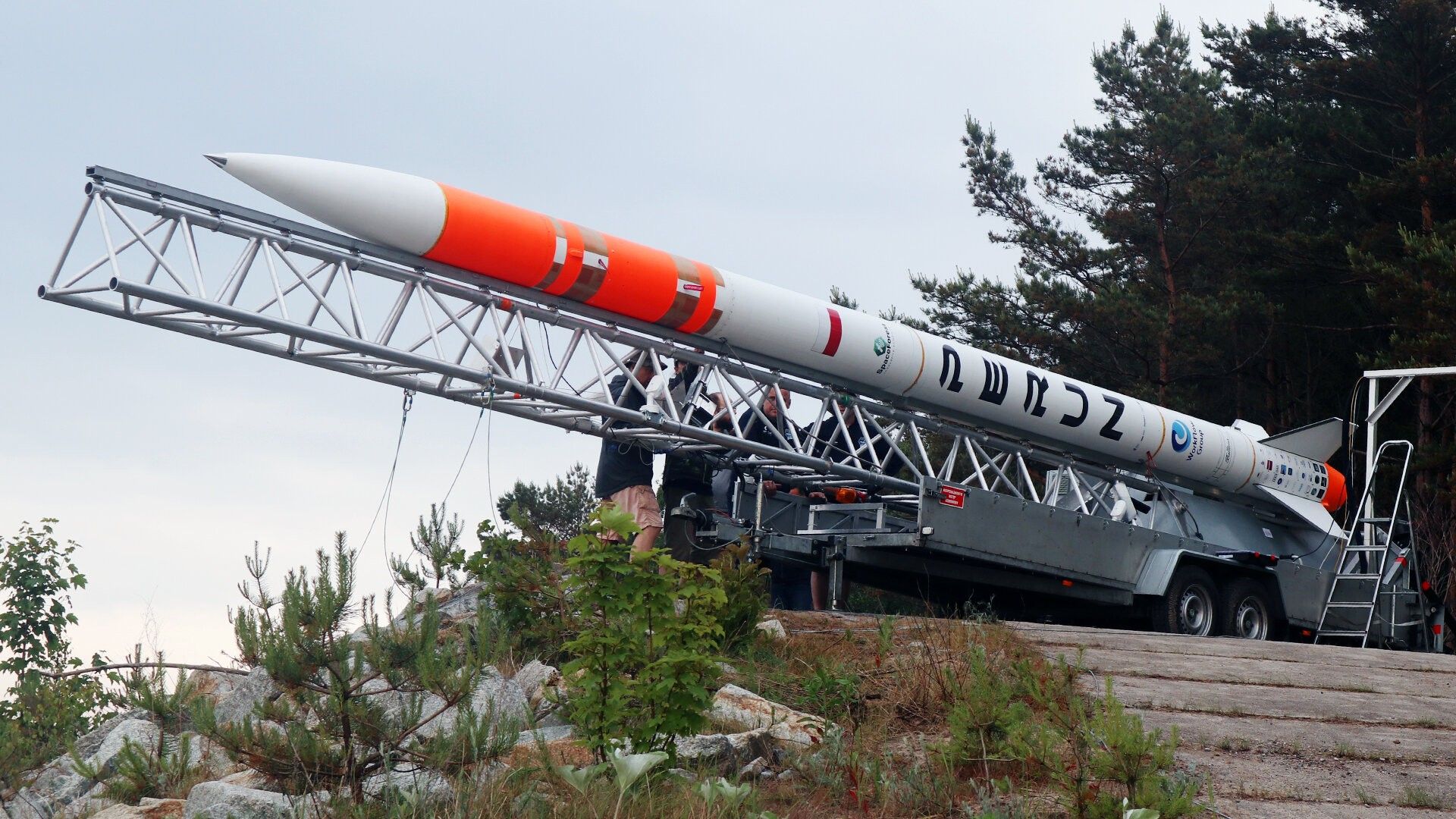
SpaceForest’s Perun will be lifting off from the North Sea


spaceforest-perun-start.jpg
(Image Credit: SpaceForest)

SpaceForest yesterday announced a deal made with EuroSpaceport regarding launch operations involving the Perun suborbital rocket. The freshly concluded agreement will allow for operations from a sea platform located on the North Sea, close to Denmark’s coasts.


A test flight has been scheduled for the next year. Perun is expected to take a payload of 50 kilograms for a suborbital ride — this will be also an occasion to test its SF-1000 engine with a vector-controlled nozzle. The flight will focus on testing the rocket before it is put into regular service. This is going to be the first international mission of Perun.

Sources:
  • SpaceForest on X
  • Space24.pl
 
July 21, 2025

Perun will take off from the Atlantic in early 2026


PERUN.jpg.webp
(Image Credit: SpaceForest)


After recently announcing the scheduled North Sea launch of the Perun reusable suborbital rocket from a platform off the coast of Denmark 🇩🇰 next year, SpaceForest is not slowing down and has just announced a contract for another, even earlier flight.

Today, the Polish company has signed a contract with Atlantic Spaceport Consortium regarding suborbital launches from a spaceport in the Azores (Portugal 🇵🇹). Under the agreement, the Perun rocket will take off from in the first half of 2026, with a payload of 50 kilograms. The mission will be conducted in cooperation with ESA and with the Portuguese Space Agency. The mission will not only serve to test the rocket under operational conditions, but will also demonstrate the ability to recover the rocket and its cargo from the ocean.

If the test flights are successful, Perun will have an open path to commercial missions.

Source: SpaceForest
https://spaceforest.pl/spaceforest-...the-island-in-an-international-space-mission/
 
August 25, 2025

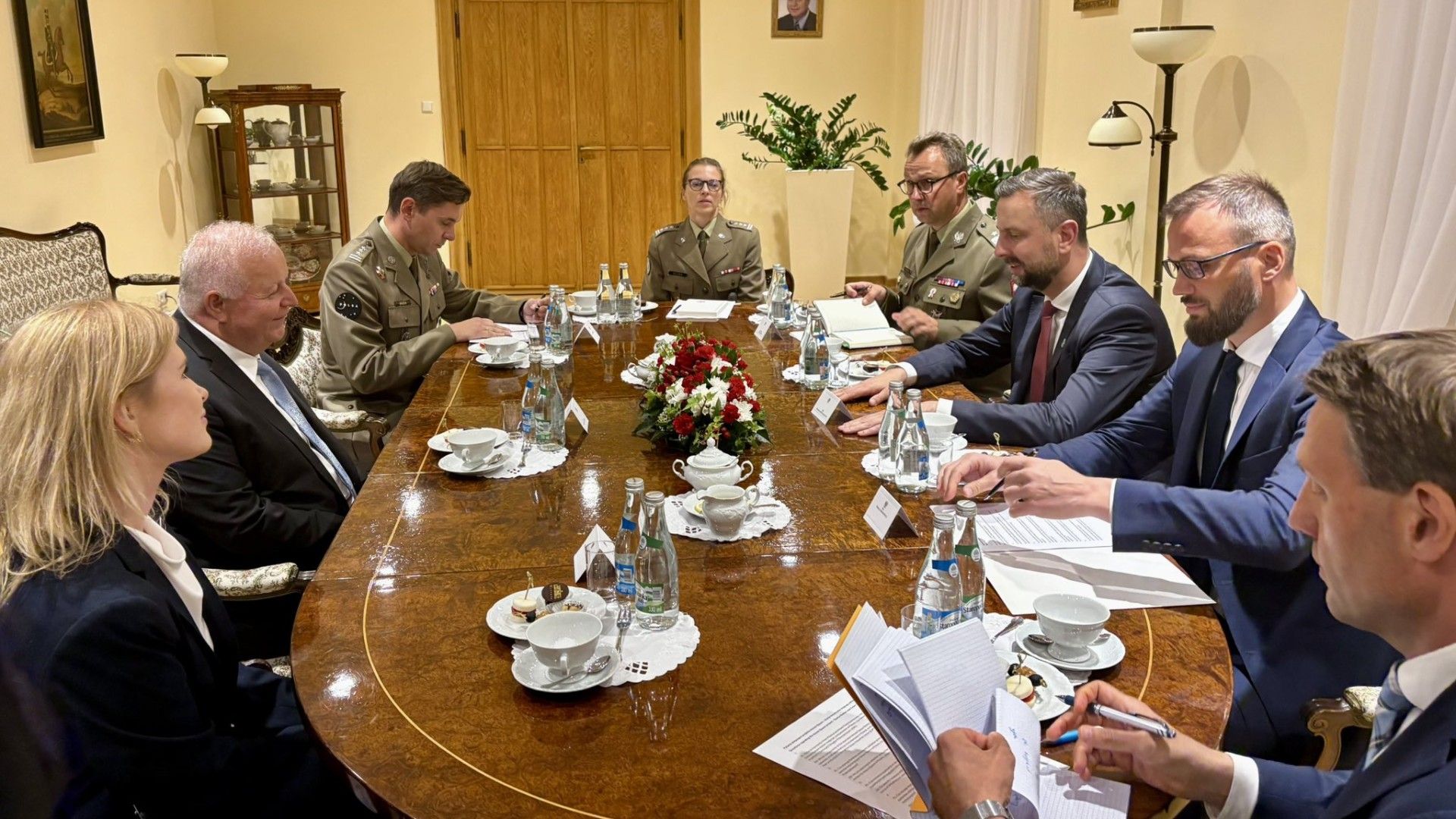
Talks between the Polish Government and Axiom Space on possible participation of Polish companies in the construction of Axiom’s new orbital station


Today in Warsaw, The Minister of National Defence, Mr. Władysław Kosiniak-Kamysz met with Axiom Space CEO, Mr. Kamal Ghaffarian. The talks concerned participation of Polish companies in Axiom’s ongoing project, known as Axiom Station — a prospective space station which may supersede the ISS in the future. Both Polish Government and Axiom Space declared bilaterally intention to create joint ventures aimed at realization of this idea.


6761f94d1b74000fa9879891_61d17a8731355047a7541bab06bd8c50_AxStation_OpenGraph.webp
(A concept of Axiom Station. Image Credit: Axiom Space)

Moreover, during the conversation with Axiom’s CEO, the Minister expressed words of kind regards to Axiom Space for the organization of Ax-4 mission by the company, which included the participation of Polish astronaut, Dr. Sławosz Uznański-Wiśniewski.

Source:
  • The Ministry of National Defence on X
  • Space24.pl
 
November 24, 2025

Successful test flight of the military suborbital rocket


A prototype of the Three Stage Suborbital Rocket (TRS) under development by a consortium led by Military Aviation Works No. 1 (WZL Nr 1) conducted a successful test flight from the Central Air Force Training Area in Ustka. According to information disclosed by the Deputy Minister of National Defence, Mr. Cezary Tomczyk, the rocket performed correct stage separations, flew along the planned trajectory, and guided itself to the designated point in space. The rocket reached an altitude of 65 kilometers — comparable to the Meteor 2H sounding rockets from the 1960s, and with the potential to exceed the Kármán line in the future.


The test, which took place this week, had been preceded by the flight of a single TRS' third stage in April this year.

Work on the TRS is intended to lay the groundwork for developing national capabilities in the production and development of orbital launch vehicles, tactical ballistic missiles, and anti-aircraft/anti-missile defensive systems, which may come out as useful in the current unfavorable geopolitical reality. Work on the TRS will be continued, with the goal of achieving suborbital flight above the Kármán line - following the Bursztyn 2K flight from the previous year (developed as part of a parallel civilian rocket program).

Source: Kosmonauta.net
https://kosmonauta.net/2025/11/test-trojstopniowej-rakiety-suborbitalne/
 
  • Like
Reactions: GLS
November 26-27, 2025

Record increase in ESA membership fees and conclusion of a letter of intent regarding a new ESA center


During the recent meeting of the Ministerial Council, which took place in Bremen (Germany), the European Space Agency has informed, that the organization’s budget for the years 2026-2028 will reach a record high amount of € 22.1 billion, or 17% increase comparing to the budged for the years 2023-2025, if we take inflation into account.

Poland's financial participation in the organization's activities will also increase. The country’s membership fee for the 2026-2028 will amount to € 731 million (approx. PLN 3 billion) — it is an essential difference in plus, comparing to € 194 million for the current 2023-2025 period (notwithstanding a separate amount of € 65 mln paid for Ax-4 mission to the ISS). This also translates into an increase in Poland's share of the organization's overall budget: from 1.16% to 3.34%. Thus, the country becomes the eighth contributor to the organization.

In 2026-2028 Poland will spend € 550 million on ESA’s additional programs, including Earth observations, space transportation, orbital servicing operations, space security, as well as development of technologies for future missions. It is expected that the larger share in ESA funding will translate into a correspondingly higher share of national entities in contracts awarded by the organization and in space missions and research programs organized by ESA, as well as enable further development of the national space industry.

In addition to the above, ESA (represented by the Director General, Mr. Josef Aschbacher) and Poland (represented by the Minister of Finance, Mr. Andrzej Domański) signed a letter of intent to examine the possibility of building a new research center. The center, if built, will focus on development of security and dual-use applications, and which are of particular interest to the State. The exact location of the center will be determined in a later term. Poland and ESA will now work together to review the technical requirements, thematic aspects, and financing of the potential center. The ESA Council will be informed of the results in 2026.


Sources:
  • European Space Agency

  • Polish Space Agency
 
Back
Top